What 3 Weeks Wearing a Continuous Glucose Monitor Taught Me About Blood Sugar
By Jessica Corwin, MPH, RDN, NBCHWC
As a dietitian, I thought I had a pretty good understanding of blood sugar. Then I wore a continuous glucose monitor for three weeks and discovered that some of my biggest blood sugar changes had very little to do with food.
My average glucose came in at 86 mg/dL, comfortably below the typical target of 117 mg/dL. But the numbers were never really the point. My goal was learning, not perfection — and the lessons were bigger than I expected.
If you've been curious about CGMs (continuous glucose monitors) or you're trying to make sense of your own metabolic health in midlife, here's what three weeks of real-time data taught me.
The Most Important Thing I Learned: Blood Sugar Is About More Than Food
Food matters. Of course it does. But after watching my glucose graph all day, every day, for three weeks, I can confidently say food is just one instrument in a much bigger orchestra.
Stress, movement, sleep, hormones, alcohol, and meal timing all play their own notes. Blood sugar is dynamic — your body is constantly making tiny adjustments behind the scenes to keep you steady.
Think of blood sugar like a thermostat rather than a fixed number. It's always nudging up or down in response to what's happening around you (and inside you).
When Stress Raised My Blood Sugar More Than Dinner
One evening, my husband and I had a stressful conversation before bed. Neither of us had eaten anything for hours. And yet — both of our blood sugars climbed. Both of us got a Lingo Count notification.
My stress spike scored an 11. My actual dinner earlier that evening only scored a 6.
Read that again. The stressful conversation moved my blood sugar more than the meal did.
Here's why: when you're stressed, your body releases cortisol and adrenaline. Those hormones tell your liver to release stored glucose into the bloodstream — a survival mechanism designed to fuel a quick escape from a tiger. Your nervous system doesn't know the difference between a tiger and a tense text thread.
> Takeaway: Sometimes your blood sugar is responding to your calendar, not your carbohydrate intake.
Movement Was Like a Blood Sugar Brake Pedal
The post-meal walk hype? It's real.
Over and over again, I watched short walks, light chores, or even just standing up and moving around bring my glucose down faster than I expected. Muscles act like glucose sponges — and when they contract, they can pull sugar out of the bloodstream through pathways that don't even require insulin.
Practical ways to use this:
- 10-minute walk after meals. Even a slow stroll counts.
- Household chores. Folding laundry, unloading the dishwasher, tidying up.
- Gardening. Bonus points for being outside.
- Play with your kids or pets. Movement disguised as life.
- Standing meetings or walking phone calls. Small shifts, real impact.
The Sweet Potato Surprise
Here's a humbling one: sweet potatoes consistently produced some of my largest glucose rises. Sweet potatoes. The darling of the wellness world.
This is important: sweet potatoes are still a wonderful, nutrient-dense food. They're rich in fiber, potassium, and carotenoids. I'm not telling you to avoid them. I'm telling you that individual responses to food vary — sometimes wildly — and a CGM can show you yours.
> The goal is not to fear foods. The goal is to understand your body's response.
For me, pairing sweet potato with more protein, fat, and a walk afterward made a noticeable difference. That's information, not a verdict.
Alcohol Created My Most Dramatic Blood Sugar Graph
One evening of wine produced the wildest graph of my three weeks — a rollercoaster that ended with my glucose dropping into the 50s around 2 a.m.
Here's what's happening: alcohol temporarily blocks the liver's ability to release glucose. So while you sleep, your blood sugar can drift low. Your body responds with cortisol and adrenaline to pull it back up, which is part of why alcohol so reliably wrecks sleep, mood, and next-day appetite.
In perimenopause, when sleep is already more fragile and hormones are already in flux, this rollercoaster hits harder. Many women in midlife notice they simply don't tolerate alcohol the way they used to — and the CGM made the why visible in real time. (You can read more about blood sugar patterns in perimenopause here.)
My Husband's Surprising Results
My husband wore a sensor too, and his data offered its own lessons.
One morning, he had coffee with caramel creamer and skipped breakfast. His blood sugar still climbed — and his Lingo Count hit around 10. Another day, he worked straight through lunch and saw glucose fluctuations anyway.
The body is never "off duty." Even fasted, your system is regulating glucose through the dawn phenomenon (a natural early-morning cortisol rise), stress hormones, caffeine, and liver glucose release. Skipping a meal doesn't mean a flat line.
The Fasted Workout Experiment
I tested fed versus fasted workouts at 6:30 a.m. and found… very little difference for me. With one exception — a heavier upper-body Ladder workout where I clearly performed better with fuel beforehand.
The lesson? There is rarely one perfect strategy. What matters is:
- Individualization. Your body, your data.
- Performance. What helps you train hard and recover well.
- Preference. What you actually enjoy and look forward to.
- Sustainability. What you can do on a Tuesday in February, not just on vacation.
My Favorite Discovery: Watching My Body Self-Correct
A few times, my glucose dipped just below 70. No panic. No juice box. No intervention. I simply watched it recover on its own — quietly, efficiently, exactly as designed.
That's because your body has an entire team of counter-regulatory hormones — glucagon, cortisol, adrenaline — whose job is to nudge glucose back up when it drifts low. It's a beautifully orchestrated system that runs in the background while you go about your day.
One important caveat: if you ever feel symptoms of low blood sugar — hunger, shakiness, irritability, lightheadedness, brain fog, cravings — please listen to those signals and eat something. Self-correction is a beautiful default, not a reason to ignore your body.
> Your body is remarkably intelligent. Most of the time, it's already handling things you'll never even notice.
What Midlife Women Should Know About CGMs
CGMs can be incredibly insightful — but they're not for everyone.
Who may benefit:
- Women with prediabetes or a family history of type 2 diabetes.
- Women with insulin resistance or PCOS.
- Women curious about how lifestyle patterns — sleep, stress, movement, meals — influence their glucose.
- Women navigating perimenopause who want to understand shifting metabolism in real time.
Who may want caution:
- Anyone with a history of disordered eating or a strained relationship with food.
- Highly anxious personalities who tend to spiral over numbers.
- People prone to food fear or rigid "optimization."
If you fall into the second group, this kind of data can do more harm than good. A conversation with a registered dietitian or therapist before using a CGM is a wise step.
The Biggest Takeaways
Here's a quick recap of my biggest observations and what each one taught me:
- Stress spike scored higher than dinner. Cortisol and adrenaline move glucose — not just food.
- Walking after meals lowered glucose. Movement is a powerful, insulin-independent lever.
- Sweet potatoes spiked me more than expected. Individual responses vary — labels don't predict your data.
- Wine caused a 2 a.m. low into the 50s. Alcohol disrupts liver glucose release and sleep.
- Coffee + skipped breakfast still raised my husband's glucose. The body regulates glucose even when fasted.
- Fasted vs. fed workouts were nearly identical for me. There's rarely one perfect strategy.
- Glucose self-corrected after mild lows. Counter-regulatory hormones are doing more than we realize.
The summary in one breath:
- Stress matters.
- Movement matters.
- Sleep matters.
- Alcohol matters.
- Meal timing matters.
- Blood sugar is not a morality score.
- Your body is smarter than you think.
Conclusion
My biggest takeaway wasn't that I needed to eat differently. It was that I gained a deeper appreciation for the remarkable systems working behind the scenes every day to keep me alive.
If you're navigating perimenopause, stubborn weight changes, or that "my labs are normal but I feel like garbage" frustration, blood sugar is one piece worth understanding — alongside the other lab markers I often review in midlife women and the reasons so many women gain weight after 40 despite eating "healthy".
If you'd like to talk through what your own data (or symptoms) might be telling you, you can book a free 15-minute strategy call here.
Frequently Asked Questions
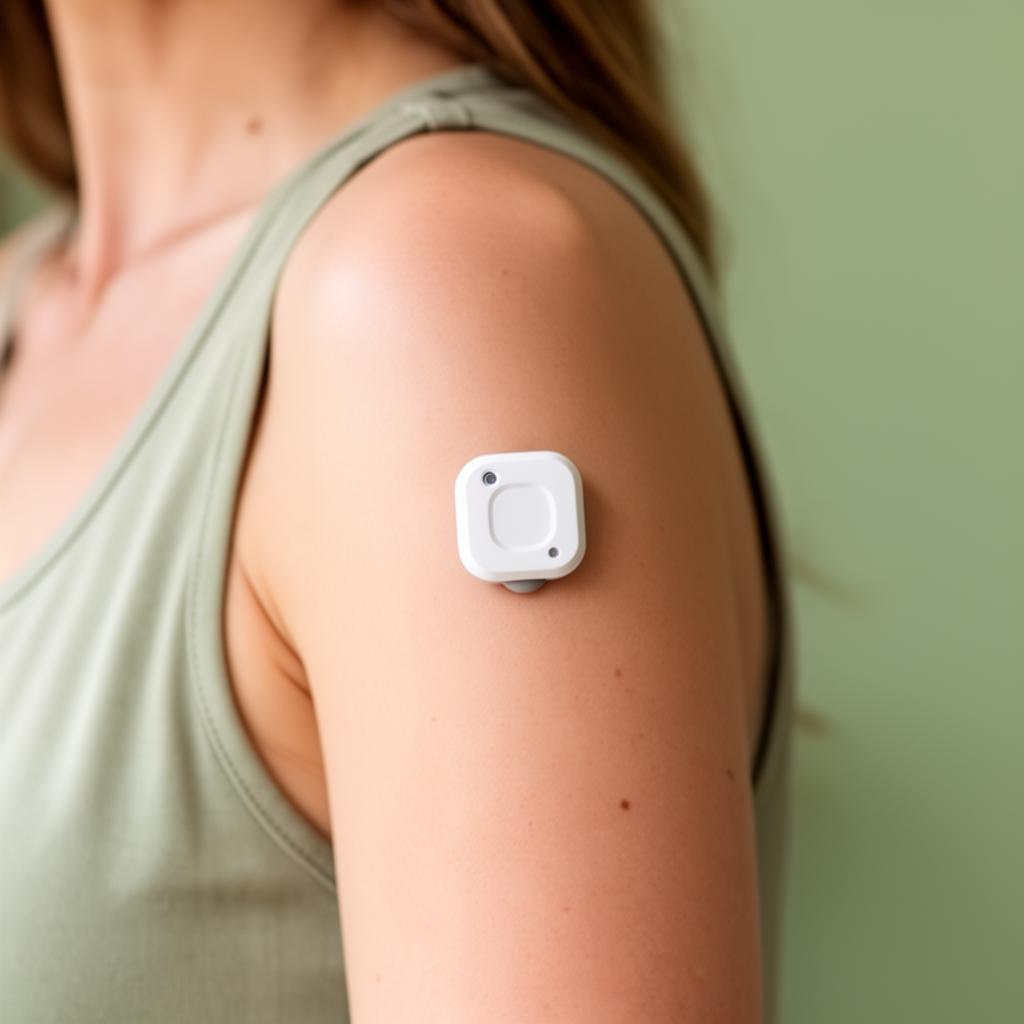
What is a continuous glucose monitor (CGM)? A continuous glucose monitor is a small wearable sensor that measures glucose in the fluid just under your skin every few minutes and sends real-time readings to your phone. It shows trends throughout the day, not just a single fingerstick number.
Do I need a CGM if I'm not diabetic? Not necessarily. CGMs can be insightful for curious, metabolically healthy adults who want to understand how stress, sleep, movement, and meals affect their glucose. They are not required for good health and may not be a good fit for anyone with a history of disordered eating or anxiety around numbers.
Why does stress raise blood sugar? Stress triggers cortisol and adrenaline, which signal the liver to release stored glucose into the bloodstream. This is a survival mechanism — but in modern life, the "tigers" are often emails, deadlines, and difficult conversations.
Does walking after meals really help blood sugar? Yes. Muscle contractions pull glucose out of the bloodstream through pathways that don't require insulin. Even a 10-minute walk after a meal can meaningfully blunt a glucose rise.
Why did alcohol cause my blood sugar to drop overnight? Alcohol temporarily impairs the liver's ability to release glucose. While you sleep, glucose can drift low — which is also part of why alcohol so reliably disrupts sleep quality, especially during perimenopause.
Call to Action
Interested in trying Lingo for yourself?
Use code LNGHCP3 for 15% off your order at hellolingo.com.
Current pricing with the discount:
- 2-Week Plan: approximately $45.90
- 4-Week Plan: approximately $76
- 12-Week Plan: approximately $225
And if you'd like a guide to help you make sense of your numbers — yours or your provider's — start with the 10 lab markers I review beyond A1c in midlife women, or book a free 15-minute strategy call to talk it through.
Disclosure: I received sensors to try as part of a professional collaboration. All opinions are my own and reflect my personal experience. This article is for educational purposes and does not replace individualized medical care. Please discuss glucose monitoring and any health concerns with your healthcare provider.