ADHD and Perimenopause: Why Everything Feels Harder Lately

Jessica Corwin, MPH, RDN, NBC-HWC
Registered Dietitian specializing in perimenopause + menopause
Have you ever found yourself standing in the kitchen, staring into the fridge, completely forgetting why you opened it?
Or maybe it's not the fridge. Maybe it's the email you meant to send, the appointment you forgot to schedule, or the moment you snapped at someone you love and immediately wondered, Why did I react like that?
Maybe it's the moment you walk into the kitchen, the television is playing, someone needs help with homework, dinner is bubbling over, and suddenly you feel so overwhelmed you want everyone to stop talking. Just for a minute.
If you're in your 40s or early 50s and feeling more scattered, irritable, or overwhelmed lately, I want you to know you're not alone.
I hear versions of this from women all the time:
"I used to be able to handle all of this."
"I feel like my brain has too many tabs open."
"I just don't feel like myself."
And often, tucked underneath those comments is a little worry: Is this perimenopause? Is it stress? Could it be ADHD?
The answer isn't always obvious. But it's a conversation worth having, and one I wish more women knew they could bring to their healthcare provider.
Can Perimenopause Make ADHD Symptoms Worse?
For some women, the answer appears to be yes. Women who have ADHD may notice that attention, organization, emotional regulation, and other longstanding challenges become more difficult during perimenopause.
A systematic review examining ADHD and sex hormones in females explores how hormonal changes may influence these experiences, although the evidence is still emerging.
Importantly, perimenopause does not cause ADHD, and experiencing brain fog doesn't automatically mean you have it. Sleep disruption, stress, mood changes, and other health concerns can create similar symptoms.
Let's unpack what's happening and, just as importantly, what might help.
Let's Talk About Your Brain in Perimenopause
When we talk about perimenopause, we often start with irregular periods, hot flashes, or changes in sleep. But so many women tell me that some of the most unsettling changes happen above the shoulders.
They can't find a word they use all the time. They forget why they walked into a room. They feel less patient or more easily overwhelmed. The mental load they've carried for years suddenly feels heavier.
During perimenopause, estrogen levels can fluctuate quite a bit. Estrogen interacts with brain systems involved in memory, attention, and mood, but hormones are rarely the only part of the picture.
Poor sleep, stress, changing responsibilities, medications, and other health concerns can all affect how we feel and function.
And let's be real. Midlife can be a lot.
You may be raising children, caring for parents, managing a career, navigating relationships, and trying to remember whether anyone took the chicken out of the freezer.
When your sleep is interrupted and your brain feels foggy on top of all that, it's understandable that you might not feel quite like yourself.
Where Does ADHD Come In?
ADHD is a neurodevelopmental condition that begins in childhood. It can influence attention, organization, time management, impulsivity, and the ability to start or finish tasks.
But ADHD doesn't look the same in everyone.
And for many girls and women, it wasn't recognized when they were younger.
Maybe she was the daydreamer rather than the child bouncing around the classroom. Maybe she worked incredibly hard to keep up. Maybe she became the queen of lists, reminders, and last-minute deadlines.
Over time, those strategies may have helped her manage.
Then midlife arrives, sleep becomes less predictable, responsibilities multiply, and the systems that used to work don't seem quite enough anymore.
Some women with ADHD report that their symptoms become more noticeable during perimenopause. A study comparing perimenopausal symptoms in women with and without ADHD adds to this growing conversation.
Researchers are also exploring estrogen's relationship with brain pathways involved in attention and mood.
But this is still an emerging area of research. We don't yet know exactly how much of the change is related to hormones themselves versus sleep, stress, or other factors.
Here's what I want you to take away:
Perimenopause doesn't cause ADHD. But it may be a time when longstanding challenges become harder to manage, or when a woman begins to recognize patterns that were missed earlier in life.
And no, feeling irritable or forgetting your keys doesn't automatically mean you have ADHD.
These experiences deserve curiosity, not a rushed diagnosis.
The Part We Don't Talk About Enough: Emotional Regulation and Sensory Overwhelm
Here's something I've been learning more about lately: ADHD isn't just about attention.
For some people, it's also about how intensely they experience emotions and how difficult it can be to regulate those feelings once they're activated.
Maybe it's the frustration that feels bigger than the situation calls for. The tears that come unexpectedly. The irritation that rises when someone interrupts you for the fifth time. Or that awful feeling afterward when you wonder, Why did I react so strongly?
This is often described as emotional dysregulation, and while it isn't one of the core diagnostic criteria for ADHD, research suggests it's an important part of the experience for many people.
And then there's sensory overwhelm.
The television is on. Someone's asking you a question. Another person is talking in the background. Your phone keeps buzzing. Suddenly, even one more small request feels impossible.
It's not necessarily that any one thing is too much. It's that everything is happening at once, and your brain is struggling to sort through it.
Sensory sensitivities aren't unique to ADHD, and not everyone with ADHD experiences them. But for some, everyday sounds, lights, textures, or competing demands can feel particularly overwhelming.
And Then Perimenopause Enters the Chat
Now imagine navigating those challenges while your sleep is changing, your hormones are fluctuating, and your stress tolerance doesn't feel quite what it used to.
That's where this intersection becomes especially interesting to me.
I've been doing my own deep dive into ADHD as I await an assessment myself. And while I'm not assuming that ADHD explains everything I've experienced, learning more about emotional regulation and sensory overwhelm has given me a different lens through which to understand some of my own experiences.
It's made me curious about how much energy we spend managing our internal responses while still trying to show up for everyone around us.
And I wonder how many other women are having similar realizations in midlife.
We still need more research to understand exactly how perimenopausal hormonal changes interact with ADHD-related emotional and sensory experiences. But we do know that sleep disruption, stress, and mood symptoms can make emotional regulation more challenging.
And that matters.
Because sometimes the woman who seems impatient, distracted, or easily overwhelmed isn't simply failing to manage her stress.
There may be more going on beneath the surface.
And understanding that possibility can open the door to a very different kind of support.
Not more self-criticism.
More curiosity, appropriate assessment, and practical strategies that work with her brain rather than against it.
ADHD or Perimenopause Brain Fog: How Do You Know?
You don't have to solve that puzzle by yourself.
An ADHD evaluation considers the whole picture: what you're experiencing now, whether similar patterns were present earlier in life, and how these challenges affect you at home, at work, or in relationships.
Your healthcare provider may also consider sleep, stress, anxiety, depression, medications, and other health factors that can create similar symptoms.
The National Institute of Mental Health's guide to adult ADHD is a helpful resource if you'd like to understand more about symptoms, diagnosis, and treatment.
Before your next appointment, it might help to jot down a few notes:
- What feels different lately?
- When did you first notice the change?
- How are your sleep and stress levels?
- Have you experienced similar challenges at other points in your life?
- How much is this affecting your day-to-day life?
You might simply say:
"I've been feeling more overwhelmed and irritable, and I'm having a harder time focusing. Can we talk about what might be contributing and whether an ADHD evaluation makes sense?"
That's it. You don't need the perfect words. You just need a place to start.
Can Nutrition Help With ADHD and Brain Fog?
You knew we were going to talk about food, right?
As a dietitian, I love digging into how nutrients support our bodies and brains. But I also know how quickly a list of "things you should be eating" can become one more source of overwhelm.
And if you're already struggling to keep up with everything, the last thing I want to do is hand you another complicated wellness checklist.
So here's where I like to start.
There is no perfect ADHD diet.
Food can support overall health, energy, and nutritional adequacy. Addressing deficiencies matters, too. But nutrition isn't a replacement for an ADHD evaluation, medication, therapy, or other appropriate support.
A review of nutrition research in ADHD explores dietary patterns, nutrients, and supplementation. There are some interesting findings, but the research doesn't support promising that a particular food or supplement will fix your focus.
Let's focus on what we do know, and what might be practical.
Iron: Have You Checked Your Ferritin?
Iron has some pretty important jobs.
It helps carry oxygen throughout your body, and it's needed by an enzyme involved in making dopamine, a chemical messenger involved in motivation, attention, and movement.
I see many women in midlife navigating heavy periods, fatigue, and questions about their iron levels.
And here's something that can surprise people: You can have low iron stores without being anemic.
Ferritin is one marker that helps us understand stored iron.
If you're experiencing heavy periods, persistent fatigue, or concerns about your iron status, ask your healthcare provider whether checking ferritin makes sense.
It's important to interpret ferritin alongside other labs and symptoms because inflammation, for example, can influence the result. And the benchmarks for diagnosing iron deficiency have shifted: the new hematology guidelines now set stricter standards for what counts as low, so a ferritin result that was once called "normal" may be reconsidered today.
Not too long ago, I picked up liver at our local farmers market, after seeing fairly low ferritin results in both myself and my 12yo son.
Yup. Liver. And I get it, not the most appetizing item on the menu.
That being said it's a great way to boost iron absorption and when you finely dice it or puree it into ground beef, chili or taco meat-- it actually blends it quite nicely. If it's still not for you, no worries.
Thankfully, there are plenty of other iron-containing foods, including meat, poultry, beans, lentils, and fortified cereals.
If you're choosing plant sources, pairing them with vitamin C can help improve iron absorption. Think lentil soup with tomatoes or beans with bell peppers.
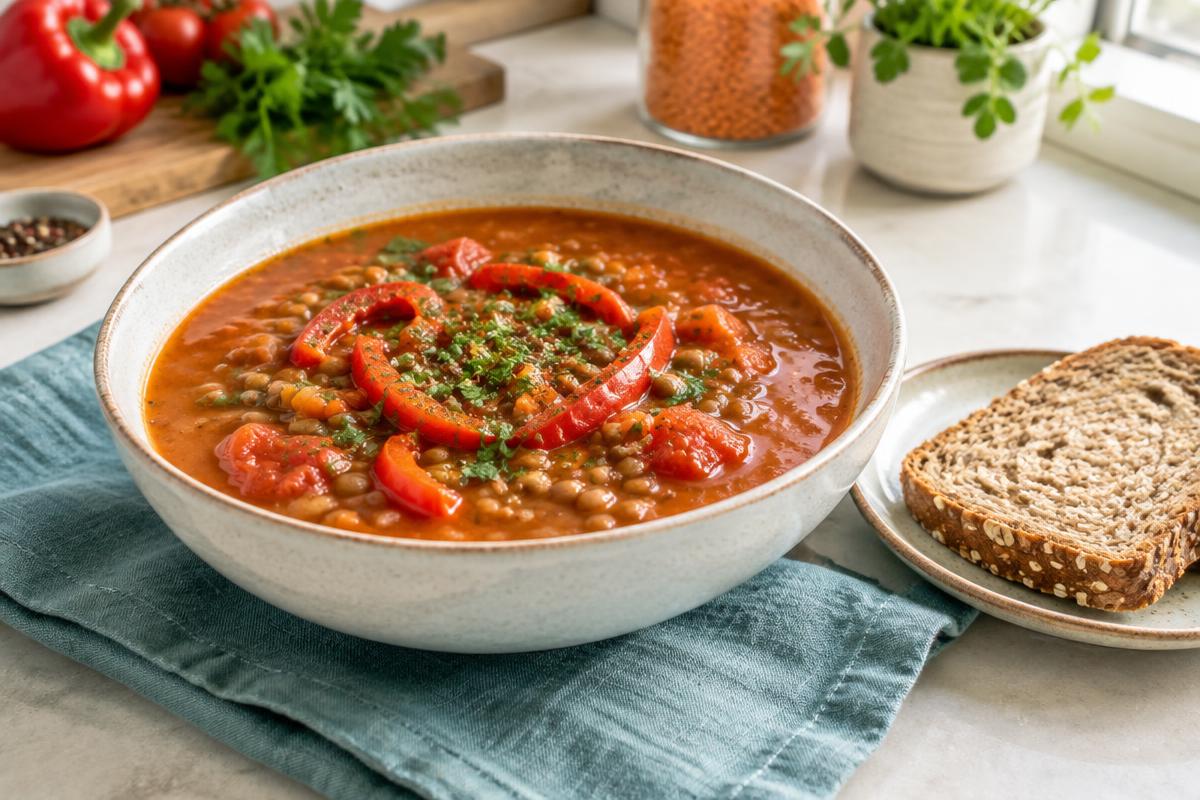
And if your iron stores are low, work with your healthcare provider to understand why and determine the best way to replenish them. Sometimes food is part of the plan, but a supplement may be needed, too.
One important distinction: Correcting iron deficiency is valuable for health, but that doesn't mean iron supplements are an established ADHD treatment for someone whose iron status is adequate.
What About Zinc, Omega-3s, and Vitamin D?
These nutrients all play important roles in health, and I like to think about where they can fit naturally into meals.
- Zinc: Found in meat, seafood, beans, pumpkin seeds, and dairy. Try adding pumpkin seeds to yogurt or a salad.
- Omega-3 fats: Salmon, sardines, and trout provide EPA and DHA, while walnuts, chia seeds, and ground flaxseeds provide ALA.
- Vitamin D: Found in some fortified foods and fatty fish, although getting enough from food alone can be challenging.
Please don't feel like you need to rush out and buy a shelf full of supplements.
The research on nutritional supplements for ADHD symptoms is mixed, and more isn't automatically better.
Instead, I like to ask: What could we add to your meals that you actually enjoy?
Because eating well should feel nourishing, not like another assignment you're falling behind on.
And Of Course, the Gut-Brain Connection
You know I can't resist talking about the gut!
Our gut and brain communicate in fascinating ways, and researchers are continuing to explore how the microbiome may relate to mood, attention, and overall well-being.
It's an exciting area of research, but there's still a lot we don't know, including whether particular probiotics can reliably improve ADHD symptoms.
So rather than chasing the latest gut-brain supplement, I'd keep the focus on simple habits that support overall gut health.
Could you add berries to breakfast? Toss a handful of spinach into dinner? Keep a can of beans in the pantry for soup?
Or use frozen vegetables when washing and chopping fresh produce feels like one step too many?
Those little additions can help increase fiber and bring more variety to your plate.
And yes, frozen and canned foods absolutely count.
If you enjoy yogurt, kefir, sauerkraut, or other fermented foods and tolerate them well, those can be lovely additions, too.
But you don't need to force yourself to eat something you dislike because someone on social media promised it would fix your brain fog.
When Feeding Yourself Feels Like One More Task
This might be the most important nutrition conversation of all.
Sometimes you know what sounds good and what helps you feel your best, but getting food onto a plate still feels like too much.
Maybe you get absorbed in work and lose track of time.
Maybe you open the fridge, look at all the ingredients, and realize you have absolutely no desire to make decisions about dinner.
Or maybe you've spent the whole day taking care of everyone else's needs, and yours are suddenly an afterthought.
This is where I want to offer you a little grace.
You don't necessarily need a better meal plan.
You might need fewer decisions between you and your next meal.
Five Ways to Make Nourishment Easier
- Keep food visible. A basket of snacks on the counter or a ready-to-eat lunch at eye level in the fridge can make eating more convenient.
- Use gentle reminders. A phone alarm or calendar break can prompt you to check in with your hunger, energy, and need for a meal.
- Buy the shortcut foods. Prewashed greens, rotisserie chicken, frozen vegetables, canned beans, and microwaveable rice all count.
- Repeat meals you enjoy. There's nothing wrong with eating the same easy breakfast several mornings in a row.
- Create a few fallback meals. Think eggs and toast, yogurt with fruit and nuts, or a grain bowl with beans and frozen vegetables.
And please remember: there's no prize for making nourishment more complicated.

The goal isn't to become better at following food rules.
It's to create an environment where caring for yourself becomes a little easier.
A Gentle Word About ADHD and Binge Eating
There's another piece of this conversation worth mentioning.
Research has identified an association between ADHD and disordered eating, including binge-eating symptoms, although the relationship is complex.
Some women may struggle with impulsivity, emotional regulation, or maintaining regular eating patterns. Others may have a history of dieting or restriction that contributes to feeling out of control around food.
But eating more than you expected in the evening doesn't automatically mean you have binge-eating disorder.
If you've spent the day running from one thing to the next and suddenly find yourself eating everything in sight at 8 p.m., I'd encourage you to approach that experience with self-compassion and curiosity.
Were you adequately nourished throughout the day?
Were you exhausted?
Were you finally able to stop and notice your hunger?
And if you're regularly experiencing a loss of control around food, you deserve individualized support from an eating-disorder-informed professional. The NICE guidelines on eating disorders also provide information about assessment and evidence-based treatment.
This isn't about more willpower.
It's about understanding what's happening and finding the right support.
How I Approach This in Practice
When I'm working with a woman who feels overwhelmed by food, fatigue, and the demands of midlife, I don't begin with a perfect meal plan.
I want to understand her day.
When does she have the most energy? When does eating become difficult? Is she going long stretches without food because she's busy, distracted, or simply overwhelmed?
And what is already working?
From there, we might focus on just one or two changes:
- Building a satisfying breakfast with protein and fiber.
- Finding a realistic lunch that doesn't require much preparation.
- Keeping convenient foods available for demanding days.
- Addressing possible nutrient deficiencies when clinically indicated.
- Creating more consistency without rigid food rules.
For many midlife women, aiming for roughly 25–35 grams of protein at a meal can be a useful starting point, although individual needs vary. Fiber-rich foods, adequate overall energy intake, and steady, regular meals can also support nutritional adequacy.
But I don't want these numbers to become another source of stress.
Sometimes our first goal is simply making lunch happen.
And that is meaningful progress.
Frequently Asked Questions
Can perimenopause make ADHD symptoms worse?
Some women with ADHD report worsening attention, organization, or emotional regulation during perimenopause. Hormonal changes may contribute, but sleep disruption, stress, and other factors also matter. Research specifically examining ADHD during the menopause transition is still developing.
Can perimenopause brain fog feel like ADHD?
Yes. Difficulty concentrating, forgetfulness, and feeling mentally overwhelmed can occur during perimenopause and overlap with ADHD symptoms. ADHD is a longstanding neurodevelopmental condition, so a thorough evaluation considers childhood patterns and other possible explanations.
Can low ferritin cause brain fog?
Iron deficiency can contribute to fatigue and cognitive difficulties, even before anemia develops in some people. However, brain fog has many possible causes. If you have heavy periods, fatigue, or other risk factors, ask your healthcare provider whether iron testing is appropriate.
Is there a specific diet for ADHD in women?
There is no single diet proven to treat ADHD. Balanced nutrition and correcting deficiencies can support overall health, while ADHD-specific treatment may include medication, behavioral strategies, and other individualized care.
Why is meal planning so hard with ADHD?
Meal planning involves executive functions such as organizing, prioritizing, remembering steps, making decisions, and initiating tasks. These can be challenging for people with ADHD. Simplifying choices, keeping convenient foods available, and creating predictable routines may help.
You Don't Have to Figure This Out Alone
If you're reading this and thinking, This sounds a little too familiar, consider bringing it up at your next healthcare appointment.
Maybe you'll discover that ADHD is part of your story. Maybe sleep, stress, perimenopause symptoms, or another health concern needs more attention.
Maybe it's a combination.
Whatever the answer, your experience matters.
And I hope you'll give yourself a little grace as you figure out what support looks like in this season of life.
Because perhaps the question isn't, "How do I get it all together?"
Maybe it's simply:
"What would make today feel a little more manageable?"
That's a beautiful place to begin.
And if this conversation is resonating with you, I recently shared a little more about ADHD and perimenopause over on Instagram. I'd love for you to join the conversation there, too.
The more we talk openly about these experiences, the more opportunities we create for women to feel heard, ask questions, and find the support they deserve.
If you're looking for a little more structure around your nutrition, movement, and well-being in midlife, I created the Clarity Over Chaos: Midlife Reset Checklist to help you identify a few meaningful places to start.
You can download the checklist and join my email community for practical nutrition guidance, thoughtful conversations about midlife health, and encouragement along the way.
With care, Jessica
Jessica Corwin, MPH, RDN, NBC-HWC, is a registered dietitian and board-certified health and wellness coach specializing in evidence-based nutrition and compassionate support for women navigating midlife and menopause.
Your Semi-Sporadic Midlife Nutrition Clarity
Join the newsletter for evidence-based insights on protein, blood sugar, hormones, and midlife wellness — plus get the free Midlife Reset Checklist.
Jessica Corwin, MPH, RDN, NBCHWC
Founder of Eat. Grow. Live. Specializing in muscle preservation, blood sugar stability, and metabolic health for women 40+.
Learn about working together →Sources and Further Reading
- ADHD and Sex Hormones in Females: A Systematic Review
- Perimenopausal Symptoms in Women With and Without ADHD
- ADHD in Adults: 4 Things to Know, National Institute of Mental Health
- Nutrition in the Management of ADHD: A Review of Recent Research
- Eating Disorders: Recognition and Treatment, NICE Guideline NG69
- ASH Sets New Standards for Diagnosing Iron Deficiency, American Society of Hematology
This article is for educational purposes and does not replace individualized medical advice.
Midlife Isn't a Crisis. It's a Recalibration.
You don't need more pressure. You need more clarity. Start with a simple, structured step toward understanding what your body actually needs right now.
Download the Midlife Metabolic Scorecard