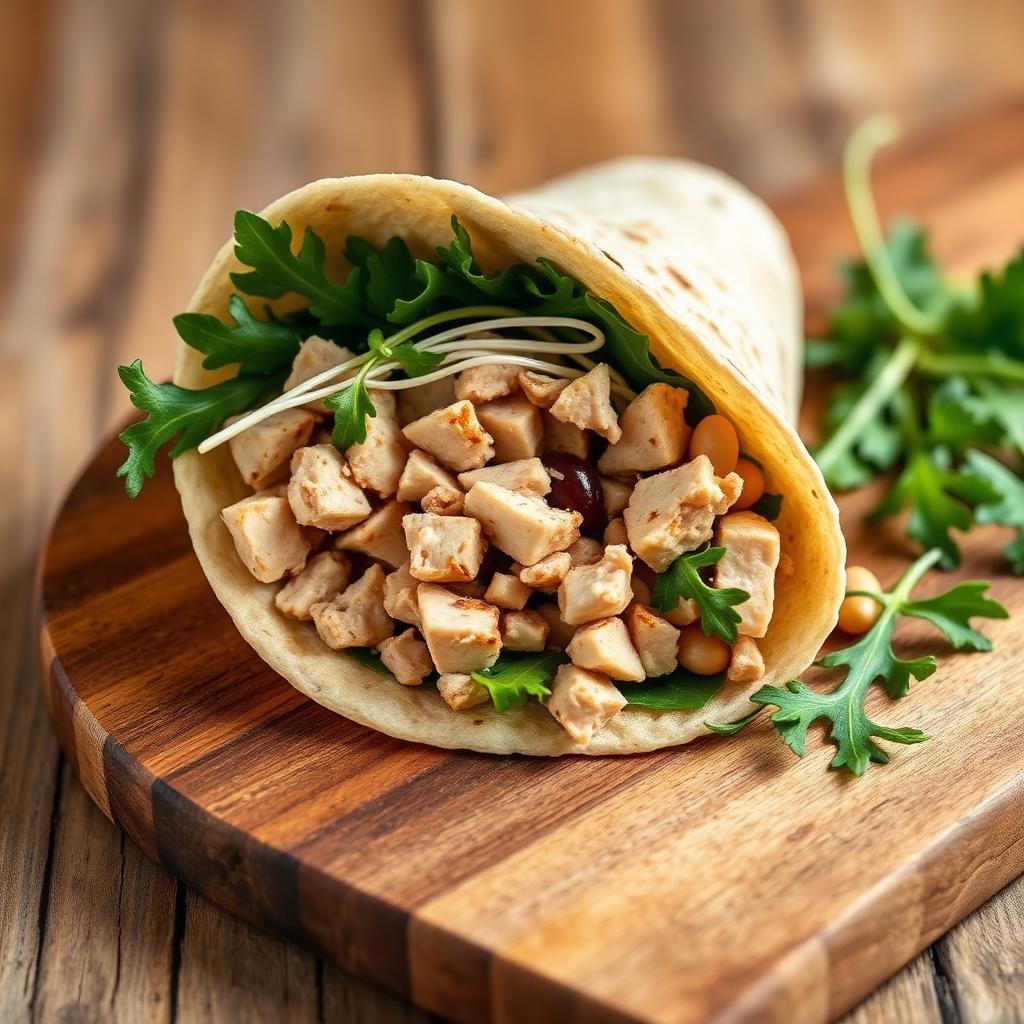
Protein-Forward Turkey + Arugula Wrap (30g Protein Lunch for Midlife)
By Jessica Corwin, MPH, RDN, NBCHWC
By Jessica Corwin, MPH, RDN, NBCHWC — Registered Dietitian Nutritionist specializing in midlife women's health.
If you're eating the same way you always have but your body feels different, you're not imagining it. And you're far from alone as I hear this again and again.
"I haven't really changed a thing, and yet here I am, 30 pounds heavier…"
In perimenopause and menopause, maintaining muscle, stabilizing blood sugar, and regulating appetite all become more sensitive to how we build our meals.
Not just total protein for the day.
But how much you're getting at each meal.
Each meal.
On repeat.
3-4 times each day.
What structure are you currently leaning into?
Bueller?
Let's get you started with this simple recipe.
This simple turkey wrap is structured to land you in the 25–35 gram protein range at lunch using whole foods. No complicated prep. No overthinking.
Protein-Forward Turkey + Arugula Wrap
Ingredients
- 1 Siete almond flour tortilla (or swap in an EggLife wrap)
- 4–5 ounces fresh diced turkey breast or sliced Applegate Farms turkey breast
- 1–2 cups fresh arugula
- Handful of bean sprouts
- 1 tablespoon hummus or pesto
Instructions
- 1Warm the tortilla in a hot pan until soft and pliable.
- 2Spread hummus or pesto evenly over the tortilla.
- 3Layer turkey, arugula, and sprouts.
- 4Roll tightly and slice.
With 4–5 ounces of turkey, you're getting approximately 24–30 grams of protein from the turkey alone, plus about 6 grams from the tortilla and a small amount from the spread. That places this lunch around 30–36 grams of protein total, depending on portions.
That range is intentional.
Why 25–35 Grams Matters in Midlife
Muscle protein synthesis is stimulated when we reach a threshold of the amino acid leucine. Research suggests most midlife women need roughly 2–3 grams of leucine at a meal to fully "turn on" that muscle-building signal.
That typically translates to about 25–35 grams of high-quality, complete protein at one sitting, which is why I often talk about protein needs after 40.
Many women graze on lighter lunches that land closer to 10–15 grams of protein. That may not be enough to effectively stimulate muscle repair and preservation, especially as estrogen declines.
Midlife muscle maintenance is protective. It supports metabolic health, insulin sensitivity, strength, and long-term resilience. If you're noticing shifts in your labs or energy, this often connects back to why blood sugar shifts in midlife.
Structure here is strategic.
Why Arugula Instead of Lettuce?
Arugula adds more than color.
Its natural bitter compounds stimulate digestive enzymes, helping your body break down protein and fats more efficiently. It also contains glucosinolates, compounds associated with liver detoxification pathways.
The peppery bite balances richer spreads and gently supports digestion, which can feel more sluggish during hormonal transitions.
If building balanced meals feels confusing right now, start with building balanced meals.
Small upgrades matter.
Two Simple Variations
For a creamier, higher-protein spread, mix ¼ cup plain Greek yogurt with 1 tablespoon hummus or pesto, plus a squeeze of lemon and a pinch of sea salt. This adds approximately 6–8 grams of protein and creates a tangy layer without increasing meat volume.
Alternatively, add one sliced hard-boiled egg directly into the wrap. A large egg provides about 6–7 grams of protein. If you're using closer to 3–4 ounces of turkey instead of 5, the egg helps you comfortably reach the 25–30 gram range while increasing satiety and nutrient density.
Both variations support reaching the leucine threshold more consistently.
If This Feels Like a Missing Piece
If you're frustrated that your energy dips, cravings hit mid-afternoon, or weight feels harder to manage, the solution may not be eating less.
It may be eating with more structure.
If this sounds familiar, you might appreciate reading more about why your metabolism feels different in midlife.
Protein distribution, fiber intake, sleep, stress, and movement all intersect in midlife physiology.
As a registered dietitian specializing in perimenopause and menopause, I help women create practical, sustainable structure around their meals and habits.
If you're ready for clarity around what your body needs now, you can explore working together here.
Midlife isn't a breakdown.
It's a recalibration.
And you deserve a plan that reflects that.
Frequently Asked Questions
How much protein should I eat at lunch during perimenopause? Aim for 25–35 grams of high-quality protein per meal to reach the leucine threshold needed for muscle protein synthesis in midlife.
Can I make this wrap plant-based? Yes. Swap turkey for tempeh or seasoned lentils. You may need a slightly larger portion to hit the leucine threshold. Adding Greek yogurt or hemp seeds to the spread helps boost protein.
Why does protein matter more after 40? After 40, your body becomes less efficient at using protein for muscle repair (anabolic resistance). Distributing adequate protein across meals helps preserve lean mass and stabilize blood sugar.
Weekly Midlife Nutrition Clarity
Join the newsletter for evidence-based insights on protein, blood sugar, hormones, and midlife wellness — plus get the free Midlife Reset Checklist.