Psoriatic Arthritis in Women: My Postpartum Diagnosis, Elimination Diet, and Lessons in Self-Advocacy
By Jessica Corwin, MPH, RDN, NBCHWC
By Jessica Corwin, MPH, RDN, NBCHWC — Registered Dietitian Nutritionist specializing in midlife women's health, perimenopause, and autoimmune conditions.
What It's Like to Be Diagnosed with Psoriatic Arthritis as a Woman
There's a moment I will never forget.
Three little kids underfoot. A kitchen full of noise. I was carrying a mug of coffee when it simply slipped out of my hand.
No warning. No clumsiness.
That was the moment I knew something wasn't just "stress."
I was later diagnosed with psoriatic arthritis (PsA) — an autoimmune condition that affects both the joints and the skin. But my journey started long before that diagnosis.
And like many women with autoimmune disease, I almost ignored the signs.
The Early Signs: Skin Changes, Joint Pain, and Postpartum Stress
Psoriatic arthritis often develops in people who have psoriasis, though joint symptoms can begin before skin flares.
Looking back, I had subtle signs:
- Small psoriasis patches during stressful life events (Of course, on my wedding day! and more would pop up with each pregnancy)
- Hand and foot pain I blamed on overtraining because running remained my saving grace
- The driest most sensitive skin
- As soon as I would push myself even a little bit too much, I would get sick
Research shows that women are often diagnosed later than men and may experience different symptom patterns, including more fatigue and functional limitations (Eder et al., 2016; Orbai et al., 2017).
Layer in postpartum hormonal shifts and chronic stress, and it becomes even harder to recognize what's happening.
Postpartum Anxiety and the Pressure to "Do It Right"

At the same time, I was navigating postpartum anxiety.
I was working in maternal and child health education, teaching evidence-based guidelines on breastfeeding, screen time, and infant feeding. I was immersed in "the rules."
And I believed I had to follow every one perfectly.
When I completed postpartum depression screeners at my OB's office, I lied.
I was ashamed.
Studies estimate that up to 1 in 5 women experience postpartum mood disorders, yet many underreport symptoms due to stigma (CDC; ACOG).
I wasn't just managing three young children. I was managing anxiety that I refused to name.
And chronic stress is not neutral in the body. It influences immune function, inflammation, sleep, and recovery.
My nervous system had been running hot for years.
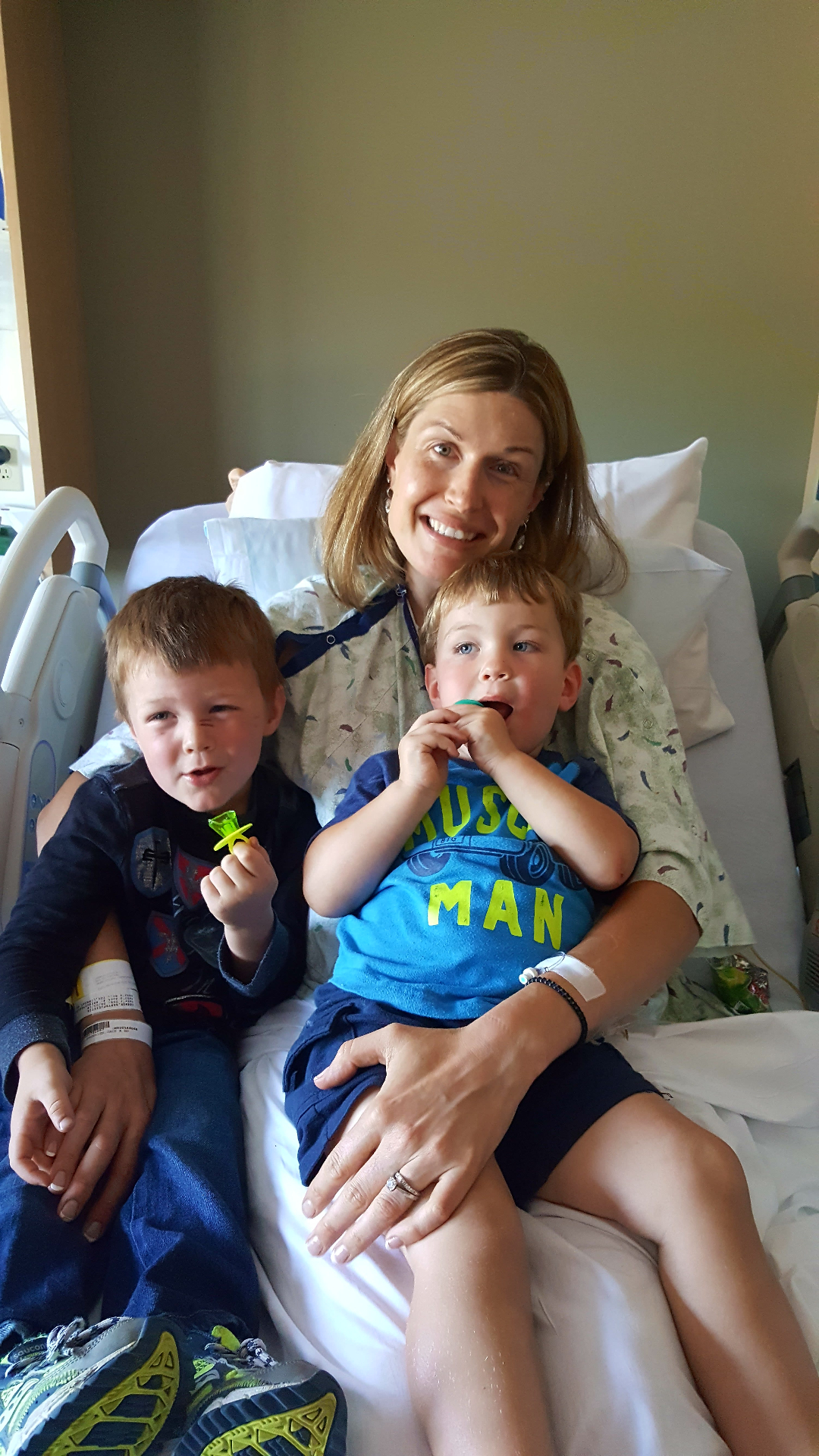
The Dermatology Appointment That Shook Me
When I finally saw a specialist for my skin, I was told:
- Start steroids immediately
- Stop breastfeeding my daughter who was merely a couple of months old
- Lifestyle approaches were not an option
- Without medication, I risked losing independence and would be a drain on my husband
I left in tears.
Not because medication isn't appropriate for many people with psoriatic arthritis. It often is, and disease-modifying therapies have strong evidence behind them.
But because I felt dismissed.
Fully.
Utterly.
Dismissed.
And shocker? Research shows that patients who feel unheard by providers are less likely to adhere to treatment and more likely to experience distress (Street et al., 2009).
That appointment changed something in me.
I realized self-advocacy was not optional.
What Is Psoriatic Arthritis?
Psoriatic arthritis is a chronic inflammatory autoimmune condition affecting about 0.1–0.3% of the general population and up to 30% of people with psoriasis (Gladman et al., 2005).
It can cause:
- Joint pain and stiffness
- Swelling in fingers and toes (dactylitis)
- Enthesitis (pain where tendons attach to bone)
- Fatigue
- Skin plaques
Left untreated, it can lead to joint damage. Early diagnosis and appropriate management are important.
Treatment typically includes:
- NSAIDs
- Steroids
- Disease-modifying antirheumatic drugs (DMARDs)
- Biologic therapies
Lifestyle factors such as weight management, smoking cessation, movement, and nutrition also influence inflammation and overall health, though they are supportive, not standalone cures.
The Elimination Diet Experience That Changed My Practice
I sought out a functional medicine provider whom I deeply admired and began an elimination diet targeting potential inflammatory triggers.
As a registered dietitian, I thought I understood elimination diets.
Living one is different.
I avoided grains, nightshades, sugar, and various additives. I made nearly everything from scratch. All of which was isolating and exhausting.
There is emerging research suggesting that dietary patterns such as the Mediterranean diet may support lower inflammatory markers and improved cardiometabolic health, and some small studies have explored gluten-free or anti-inflammatory approaches in psoriasis — we need soo much more work in this space.
But elimination diets must be:
- Structured
- Time-limited
- Reintroduction-based
- Supported
In hindsight, I restricted too much for too long.
That experience reshaped how I now support women.
Today, I offer graded approaches. Gentle eliminations when appropriate. Pattern-seeking instead of perfection.
Because health should not feel like punishment.
What My Psoriatic Arthritis Diagnosis Taught Me
1. Women often minimize their symptoms.
If something feels off, it probably is.
Autoimmune diseases are more common in women, yet women's symptoms are frequently dismissed or attributed to stress.
2. Self-advocacy in healthcare matters.
Questions you can ask your provider:
- What other possibilities could this be?
- Can you explain why this treatment is recommended?
- Are there supportive lifestyle approaches I can incorporate safely?
- What are the risks and benefits of waiting?
Bring a partner. Take notes. Journal your symptoms.
Patterns tell stories.
3. Asking for help is strength, not failure.
I did not conquer shame overnight.
But through therapy, trusted friends, and authors like Brené Brown and Glennon Doyle, I began to understand that vulnerability is not weakness.
When I ask for help now — from my husband, from family, from colleagues — I show up better in every role I hold.
If You've Been Diagnosed with Psoriatic Arthritis or Another Autoimmune Condition
You deserve:
- A provider who listens
- A plan that includes both medical and lifestyle considerations
- Support during elimination phases
- Space to grieve and adjust
Early care matters. Self-compassion matters just as much.
And if you are navigating perimenopause alongside autoimmune disease, know that hormonal shifts can influence pain perception, sleep, and immune activity — which makes comprehensive care even more important. Not to mention the fact that shifting hormones shrink our window of tolerance for stress, making us all the more susceptible to autoimmune conditions. And once you have one… you are more likely to be diagnosed with another.
Listen to the Full Conversation
I shared more of this story on the Her Health Voice podcast, including what surprised me most about healing and how I balance being the helper while still needing help.
Thanks for reading,
Jess
P.S. If you're reading this and thinking, "I'm not ready to commit to anything… but I do feel seen," that's enough for today.
Start by paying attention. Start by writing down what your body has been trying to tell you. Start by asking one brave question at your next appointment.
And if you ever want a space where you don't have to explain yourself from scratch — where your symptoms are taken seriously and your story matters — I'm here.
You can explore my resources, read more on the blog, or simply follow along. Sometimes the first step isn't a program. It's just knowing you're not alone.
💛
Frequently Asked Questions
Can diet cure psoriatic arthritis? No. There is no dietary cure for psoriatic arthritis. However, anti-inflammatory dietary patterns like the Mediterranean diet may support lower inflammation and improved quality of life alongside medical treatment.
Does perimenopause make autoimmune symptoms worse? It can. Hormonal fluctuations during perimenopause can influence immune activity, pain perception, sleep, and stress tolerance — all of which may affect autoimmune flare patterns.
Should I try an elimination diet for psoriatic arthritis? Elimination diets can be a useful tool when structured, time-limited, and supervised. Working with a registered dietitian helps ensure you don't restrict too aggressively or for too long.
How do I advocate for myself at medical appointments? Bring a list of symptoms with dates. Ask your provider to explain their reasoning. Request time to consider options. Bring a trusted person for support. Your questions are valid.
Weekly Midlife Nutrition Clarity
Join the newsletter for evidence-based insights on protein, blood sugar, hormones, and midlife wellness — plus get the free Midlife Reset Checklist.
If you're navigating autoimmune disease and perimenopause and want personalized, evidence-based support, reach out. Your story matters.